
WHAT I AM

Uprooted by infidelity and the Vancouver housing crisis, a man with CPTSD descends into a predatory MLM. As his world shrinks into barred windows, his repressed trauma surfaces in a visceral collision of self-destruction. An auto-ethno-fiction investigating the "generation loss" of the self.

SYNOPSIS:
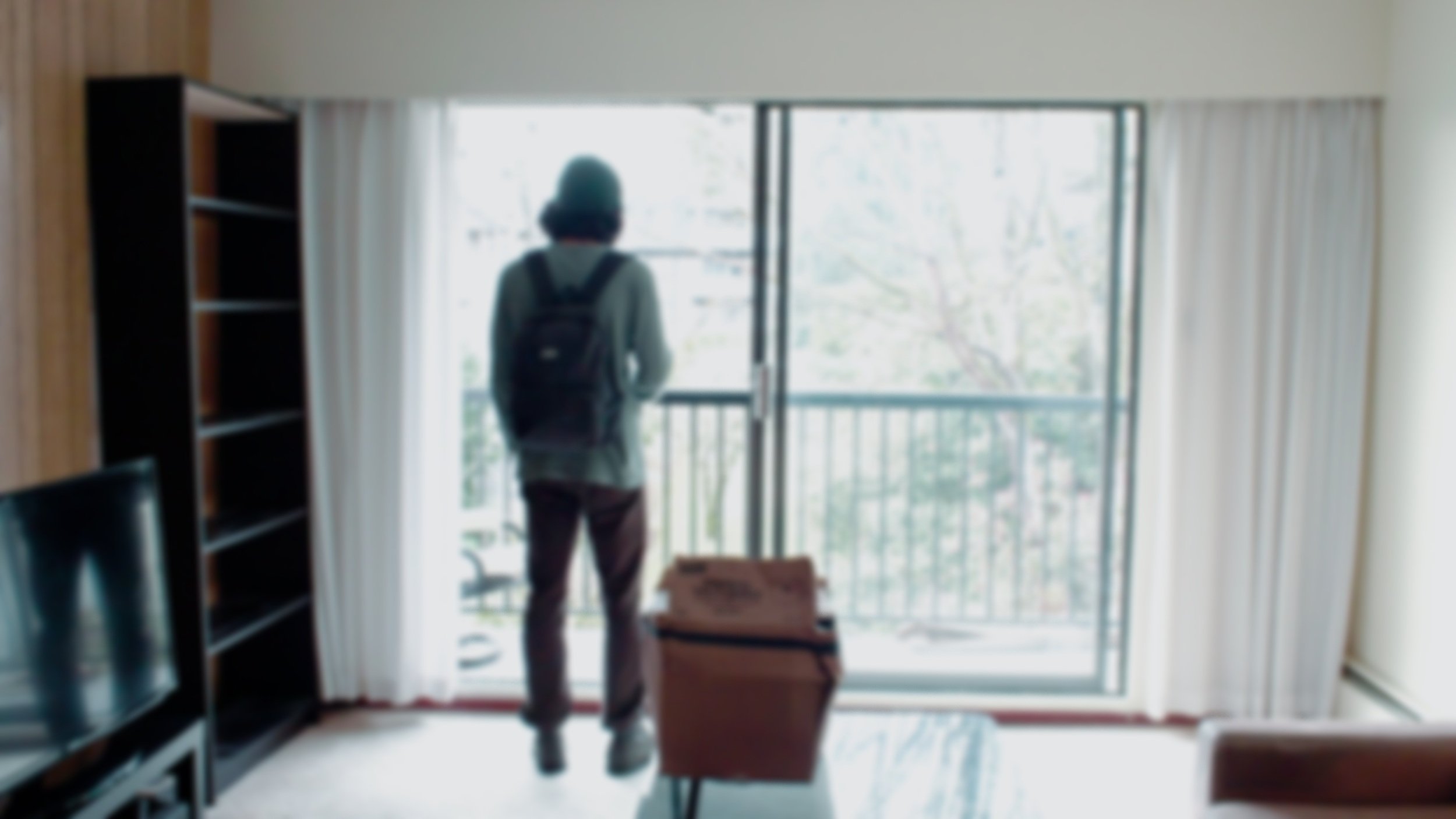
Dante is a man being milled by the city. After a hollowed-out breakup, he is forced into a survivalist stasis on a friend's couch. The Vancouver streets offer no shelter, only the 'UForge' hustle—a predatory MLM led by a charismatic street-influencer who promises exit to 'Mars' while living in a borrowed trap-house. As Dante’s search for a room leads him to basement suites with bars on the windows and showers he’s too tall to stand in, his internal stability collapses.
Through a series of improvised, raw encounters—from a violent kitchen ritual to a cold boardroom audit with a 'Guru' of failure—Dante’s CPTSD manifests as a sensory breakdown. Influenced by the Dardenne brothers and Gaspar Noé, the film moves from the claustrophobia of stasis to a vulnerable cinematic exorcism, eventually breaking the fourth wall to reveal the filmmaker’s own shadow in the ruins of the fiction.
DIRECTOR'S STATEMENT:
In Memories of Who I Am, I utilize the framework of auto-etho-fiction to perform a diagnostic audit on the haunting shadow of my own Complex-PTSD and its affect on the landscape of masculinity in my life. Influenced by Gilles Deleuze's "Powers of the False", the film rejects the filtered comfort of linear truth in favour of "invention" through "creative story-telling."
By match-cutting between my own image and the fictionalized "Dante", I am investigating parts of a personal history that are too heavy to carry yet inevitably performed in our most intimate failures.
Generation Loss
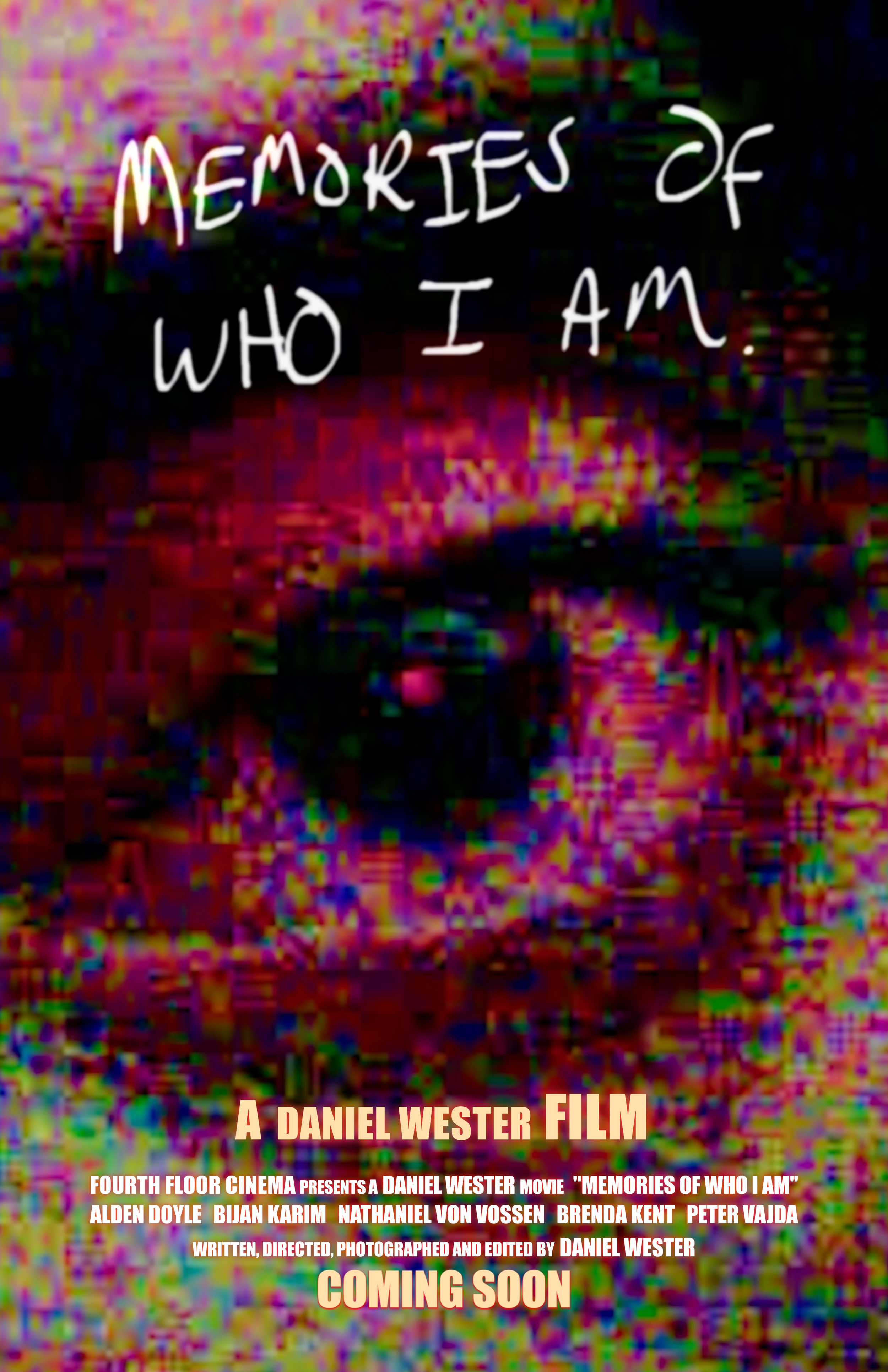
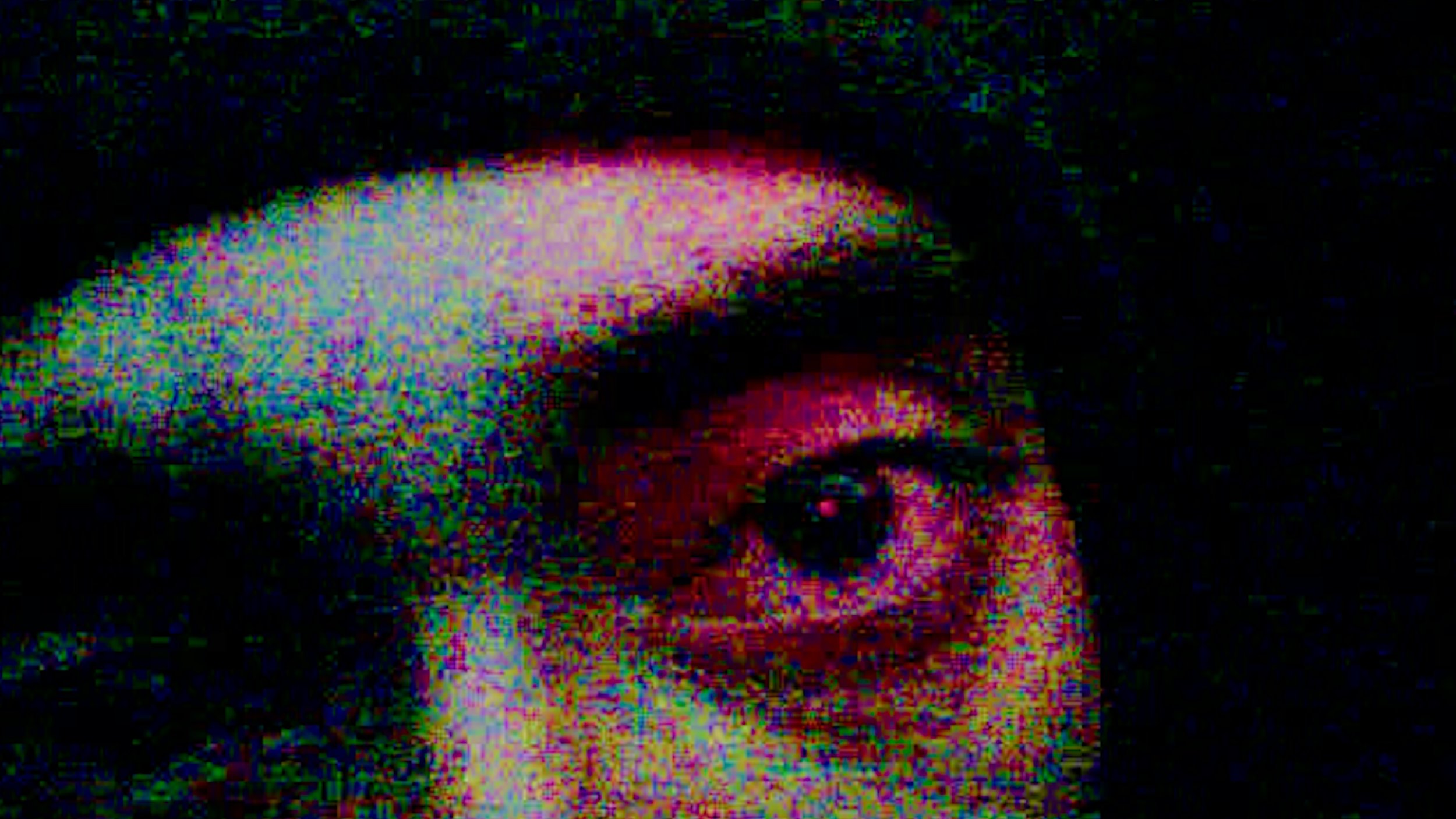
The opening sequence is a letter film, recorded in a POV from my digital GH5s as I walk from the front of my apartment to my mirror. I ran the footage through a VHS loop to create degradation of the footage, called generation loss. The VHS is reminiscent of the movies I watched at home as a child, but haunted by the Complex-PTSD I experienced at that age. A flurry of mismatched texts, various voice overs, and levels of generation loss create a sensory overload before seeing myself in the mirror in a POV shot, then match cutting to a POV of the protagonist without the camera.
Camera as Consciousness
My camera philosophy is a collision between the guerilla tactics of modern vlogging and the improvisational soul of John Cassavetes. By operating the camera myself— acting as a one-person camera crew— I eliminated the noise and clutter of a traditional production. This was a tactical choice, allowing me to infiltrate civic spaces discretely. With a light footprint, I gained access to the city's rawest spaces, using the camera not as a spectator, but as a pen— a Gaspar Noe-inspired consciousness that reacts to the actor's impulses in real-time.
Invasive Stasis vs Kinetic Collapse
The visual language is rooted in structural conflict between stasis and motion. A motionless camera records Dante's cold and hollow apartment bedroom, his paralysis prison. Once cast to the city's community deprived streets, marred by the occasional spontaneous interaction or get-rich-quick schemes, like "UForge", by his ex, the camera movement becomes aggressive, invasive in its proximity, and instills the paranoia of surveillance in the digital age onto the actors. The frame becomes unstable, red lining alongside Dante's dysregulation, before returning to a haunting stasis once he is forced back into the "generation loss" of his childhood home.
Ritual of the Return
Upon his return, the camera loop closes, bringing Dante back into the digital lens of my phone. From degraded VHS footage of myself, to the clinical harshness of digital GH5s footage, and then to a low fidelity webcam, my laptop, and then my phone, the film serves as a cinematic manual reset. The final, meditative image, of low-fidelity leaves on a stream, is not a narrative resolution, but a cinematic ritual of grounding. It is a testament to the labor of emotional regulation and the painful, necessary journey of looking directly at one’s own shadow to find a way back to the self.
Director Bio:
Daniel Wester is a Filipino-Canadian filmmaker and Red Seal Landscape Horticulturist Apprentice. An SFU School for Contemporary Arts and VIFF Catalyst alumnus, his verité auto-ethno-fiction performs an intimate dissection of masculinity and CPTSD. Influenced by Deleuze, Wester explores contemporary stasis through the camera’s observational consciousness.
Aspect Ratio:
1.78:1
DURATION:
115m
Country of Origin:
Canada
FORMAT:
Digital (4k/HD), Analog VHS, Mobile
Sound:
Stereo/2.0
Language:
English
WHO WE WERE

-
![]()
Dante | ALDEN DOYLE
Your typical hopeless millennial stuck in a cycle of obsessing over past trauma, despairing over the future, and poverty. Dante is trying to change, but maybe he’s just a fuck up. Between his mental illnesses, ADHD, and childhood trauma, Dante struggles to become an adult as he faces the Vancouver housing crisis after being kicked out of his apartment by his partner.
|
Originally from the United States, Alden Doyle moved to Canada as a teenager and would develop a passion for cinema. He found his way through acting, and after honing his skills through various short films, he starred in and co-wrote the feature film Makyo (2020) directed by Bijan Karim. Following this, he began production on another feature film that he co-wrote and co-directed with Bijan Karim called Drug Train. After the completion of production on that film, he began on MILLENNIAL: Memories of Who We Were. He now is working on an independent documentary-fiction hybrid while attending SFU's School for Contemporary Arts Film program.
-
![]()
Nate | Nathaniel von Vossen
A street business-influencer and self-proclaimed entrepreneur, Nate is a true hustler. Having spent most of his life struggling to maintain jobs and selling drug on the side, Nate found guidance through UForge, a multi-level-marketing opportunity that sells a lifestyle of hard work and mentorship. Nate opens every day by sending out a “Daily Push” to his followers and breathes UForge… when he’s not busy reveling in degeneracy.
|
Nathaniel Von Vossen was born and raised in British Columbia and has a unique perspective into the subcultures within the region. With years of experience, he's had roles in films like Makyo (2023), Amber's Descent (2020), Flu (2020), and more before starring alongside Alden Doyle in Memories of Who We Were. Nathaniel also found success as a DJ and has explored his art through various mediums. He is currently raising a lovely daughter and preparing to direct his first feature film, an intense, honest look into small town culture in the Pacific Northwest
-
![]()
Noa | Abigail Markowitz
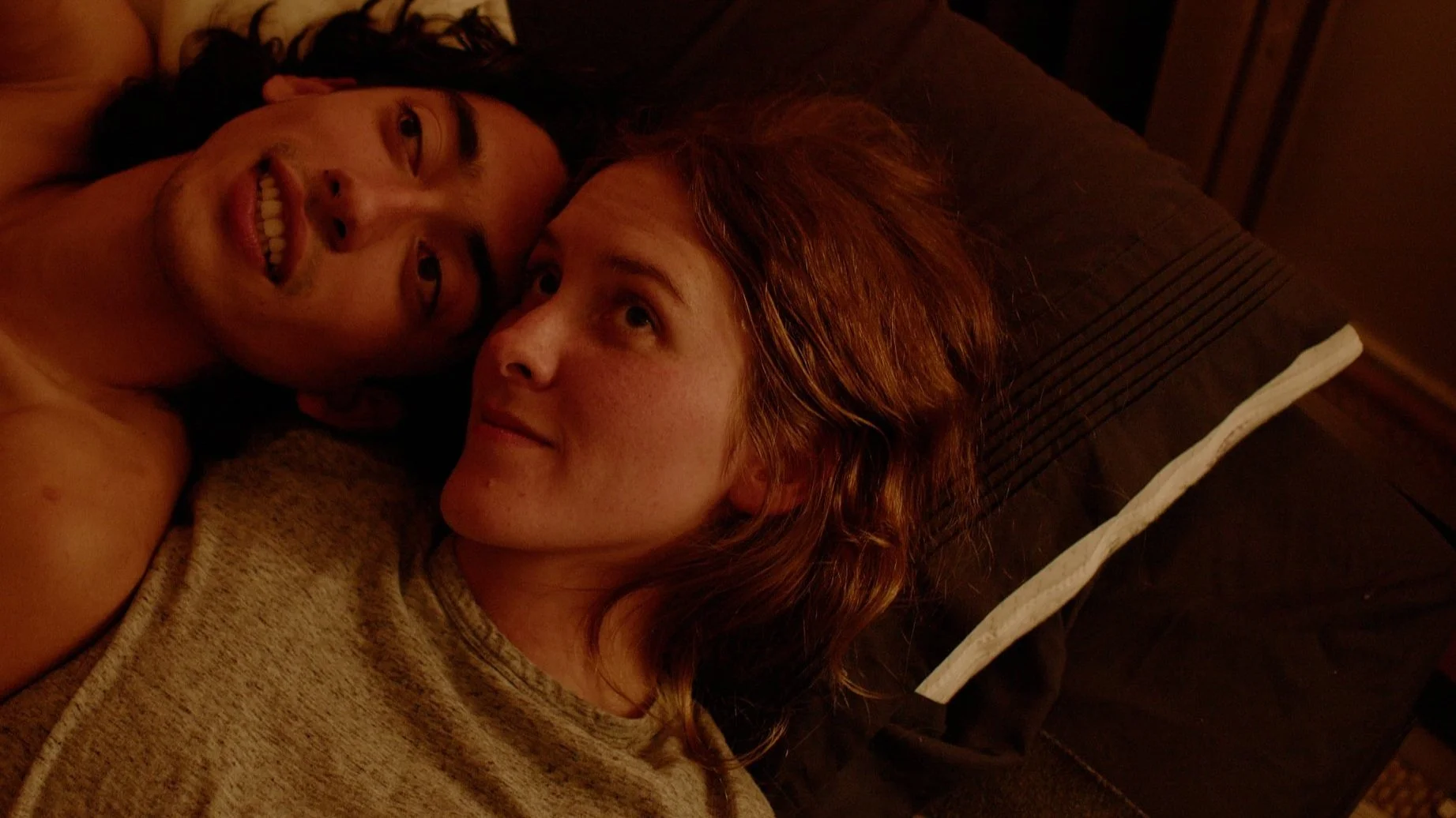
As an artist, Noa draws from her deep sense of compassion for the word around her as inspiration. She studies visual art at a post-secondary institute in Vancouver, but with the completion of her program, her time in the city is limited. Dante and her grew up together, moved at the same time, and have had a history and moving means they both lose a pillar of support. Despite both of them longing for each other, the timing just never seems right.
|
Abigail Markowitz grew up in California before making the decision to attend the film program at SFU's School for Contemporary Arts. While attending the program, Abigail diversified her interests, acquiring experience in all aspects of filmmaking, including acting. After obtaining a BFA, Abigail would then star alongside Alden Doyle in Makyo and displayed comfort and ease in front of the camera. The two continued their on-screen chemistry in Memories of Who We Were with her role as Noa.
-
![]()
Francis | Bijan Karim
Francis and Dante grew up together in Edmonton. While Dante experimented with more drugs, Francis mostly stuck to smoking a shit ton of weed and getting trashed. He’s making his victory lap at University, but is pursuing stability as an engineer. Since Francis has known Dante his whole life, sometimes he sees the worst of him, and that takes its toll.
|
Coming to Canada from Turkey during his youth, Canadian-Turkish-Iranian filmmaker Bijan Karim split his upbringing between many worlds, but it was the world of cinema he would call home. He explored his skills as a filmmaker through SFU's School for Contemporary Arts Film program, having wrote, directed and acted in multiple films during his time. Once finished the program, he began producing his second feature film, Makyo (2023) and would take on a role alongside star, Alden Doyle. Shortly after this, they would collaborate again on his third feature film, Drug Train. Immediately after this, he began principle photography on Memories of Who We Were, both in front of the camera and behind the mic. He is now scripting his next feature film, The Supplier and editing other projects he's produced.
-
![]()
Rae | Brenda Kent
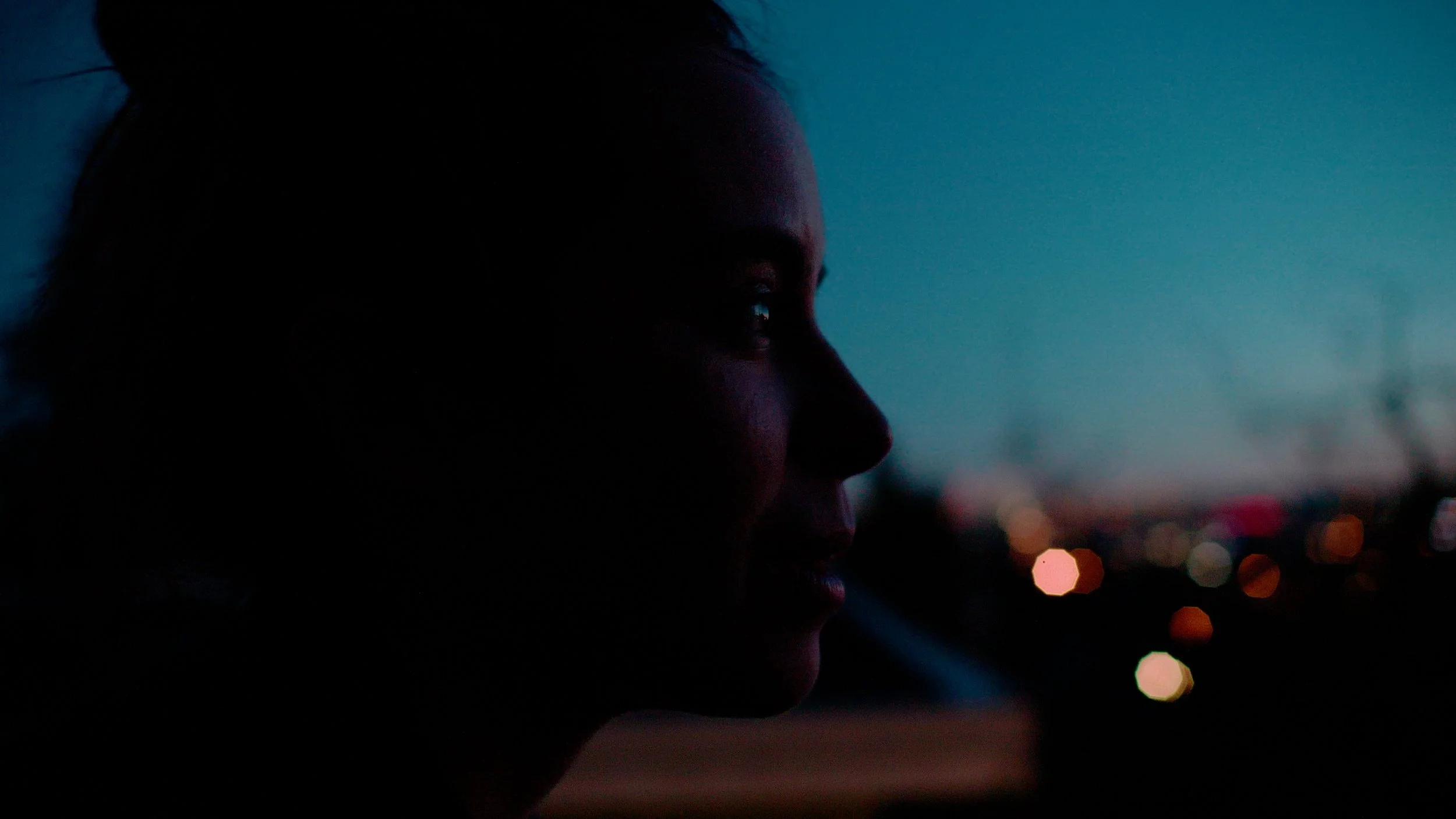
A yoga teacher and freelance photographer, Rae is the roommate of Francis, who is Dante’s childhood friend from Edmonton. Rae has always focused on being grounded despite the attention economy we live in, which often influences those around her to strive to live differently. But there’s a level of vulnerability she masks from others.
|
Brenda Kent, or Bee, is Mexican-Canadian filmmaker, photographer, poet, and interdisciplinary artist. She studied film at SFU's School for Contemporary Arts, and would discover herself as an artist through multiple modes of expression through many projects, including a collaboration with the director, Daniel Wester, and roles alongside lead, Alden Doyle. After obtaining her BFA, Bee would take on a role in Memories of Who We Were alongside co-star Alden Doyle. Bee continues to spread her roots throughout BC and grow as an artist.
-
![]()
Derrick Williamson | Peter Vajda
Derrick Williamson is the “GURU” of multi-level-marketing. He built his wealth as one of the founding members of UForge, but has since left the company for his newer investments. With strong ties to UForge, he still comes every now and then to provide mentorship. But does he believe in what he sells?
|
Originally born in Montreal Quebec of Lebanese and Hungarian decent, Peter Vajda has had a dynamic career through sales, the automotive industry, running his own landscaping company, and becoming the Regional Franchisor of Jim's Mowing Canada. Director Daniel Wester would cast him in his grad film from SFU called Morning Glory where he would excel in the roll. He would be cast again in Memories of Who We Were to play Derrick Williamson. He now continues to find success with Jim's Mowing Canada.
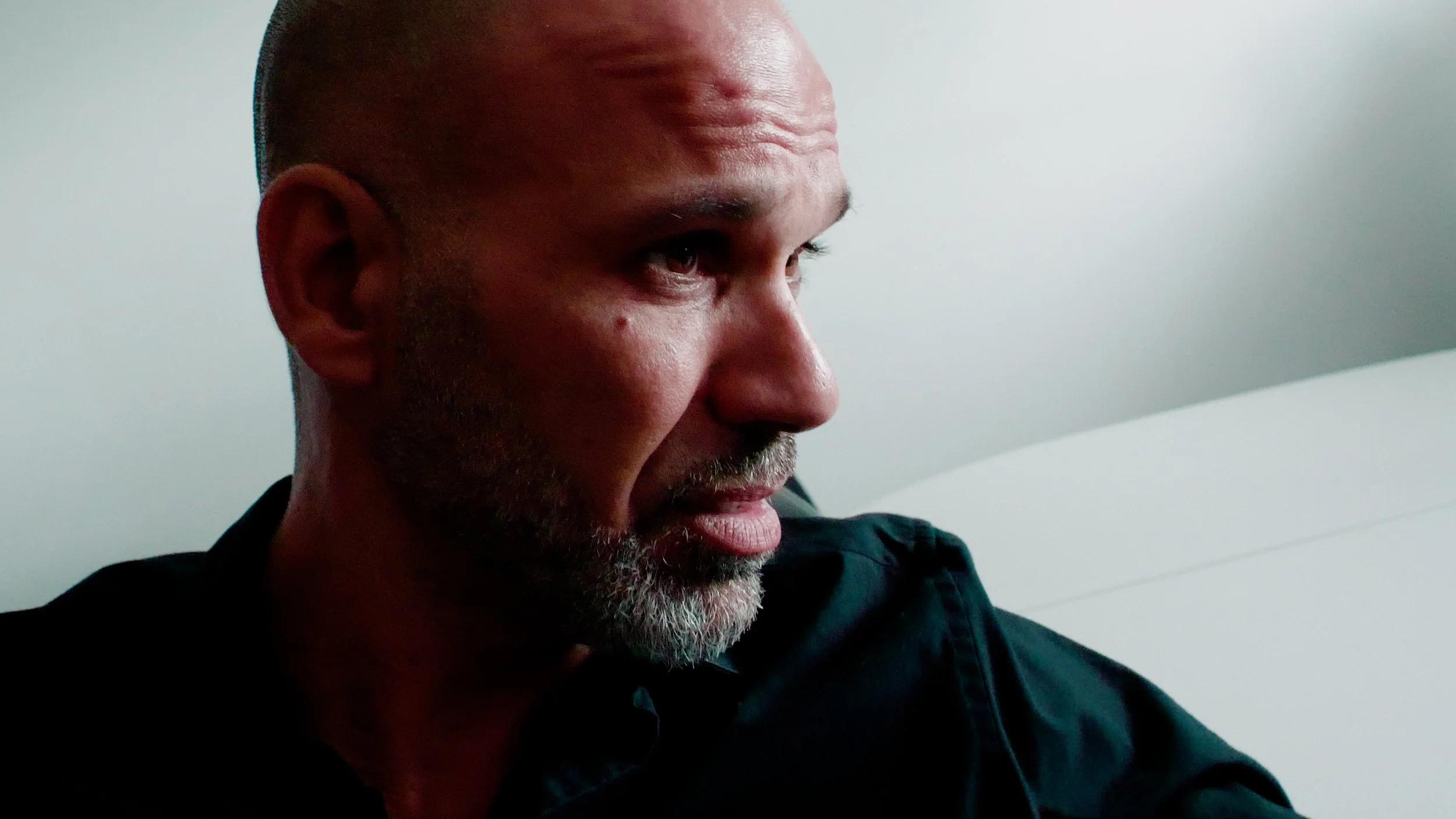
STILLS

-
![]()
Poster
-
![]()
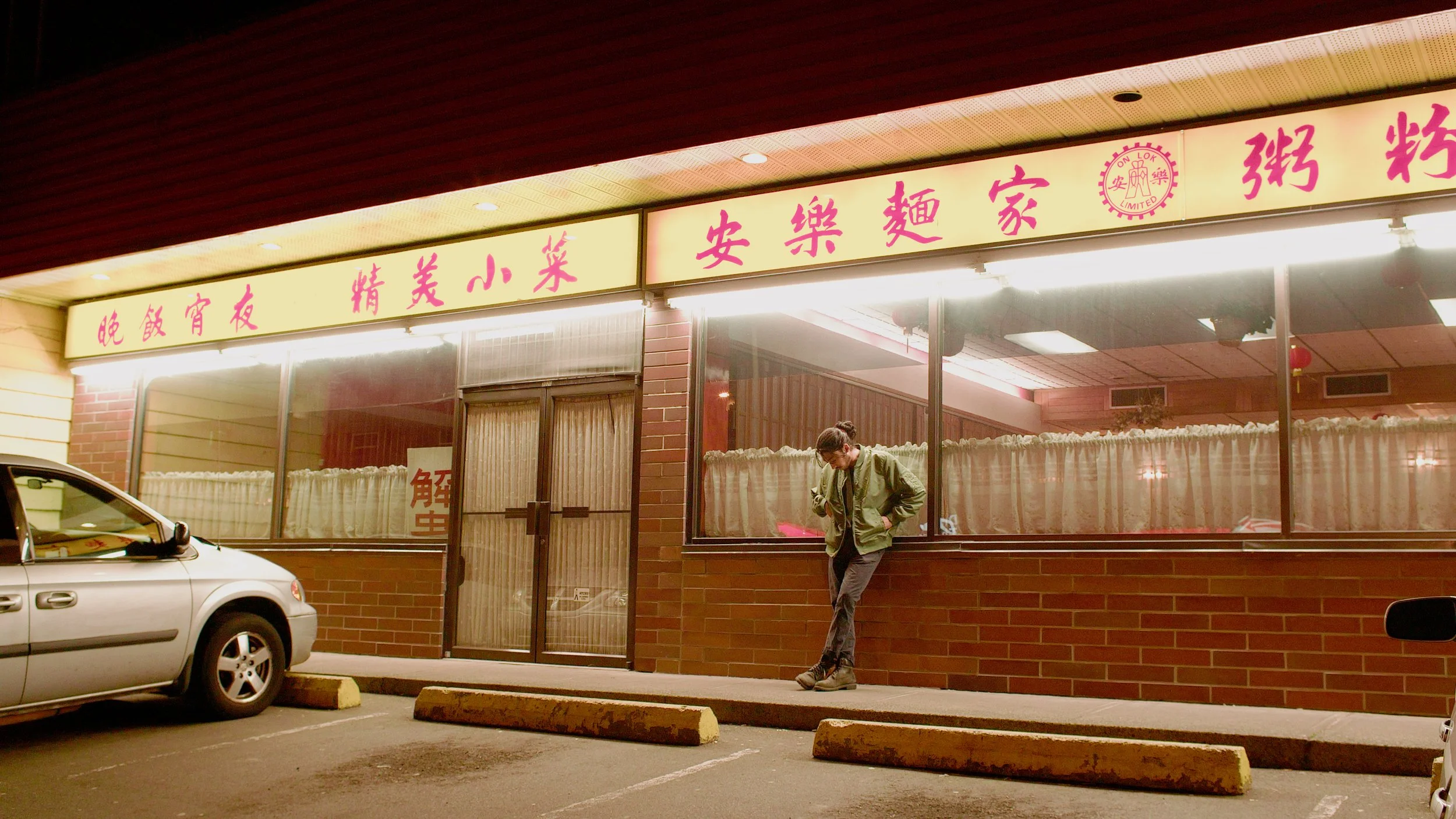
On-Lok
-
![]()
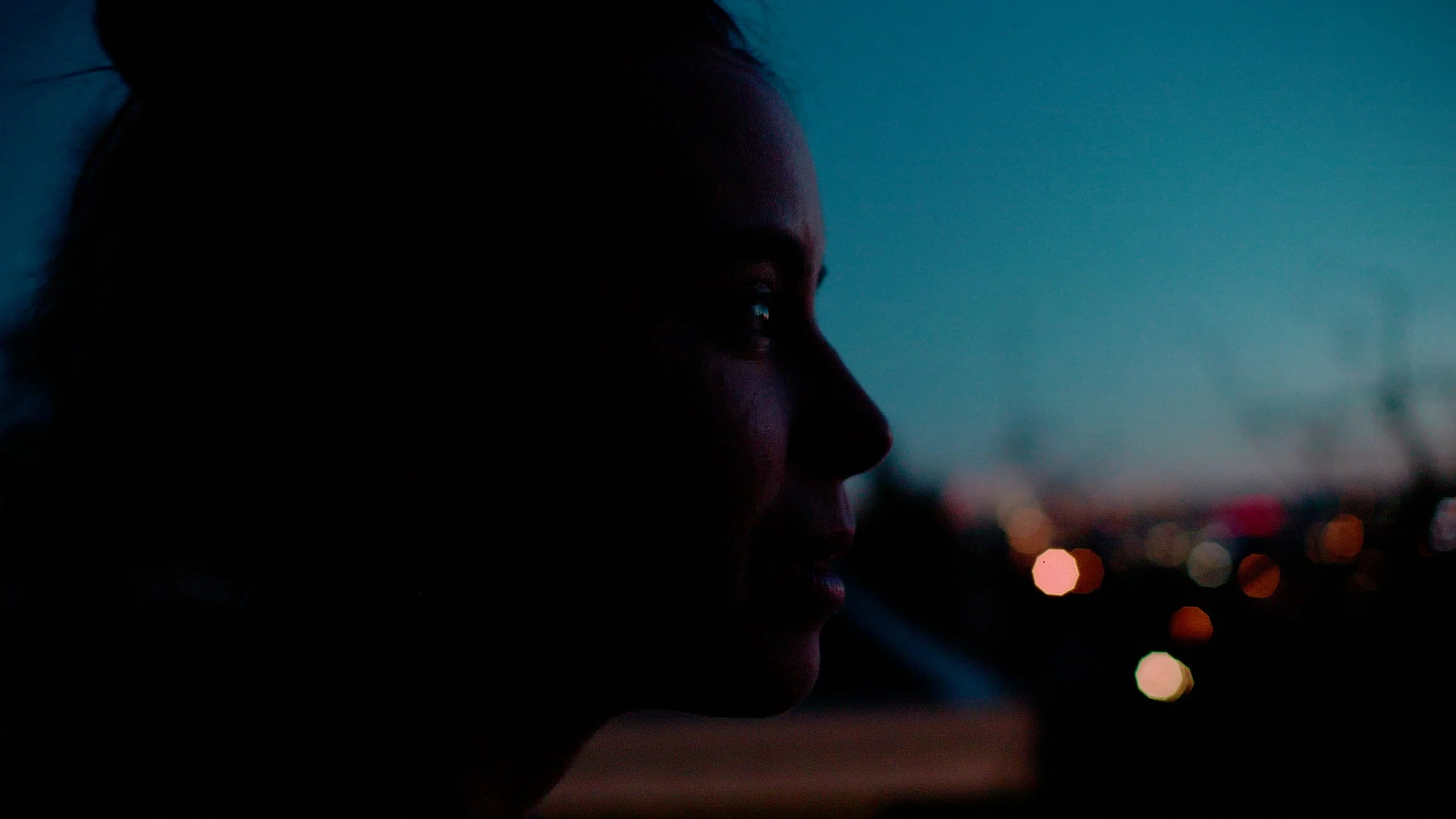
Rae in twilight
-
![]()
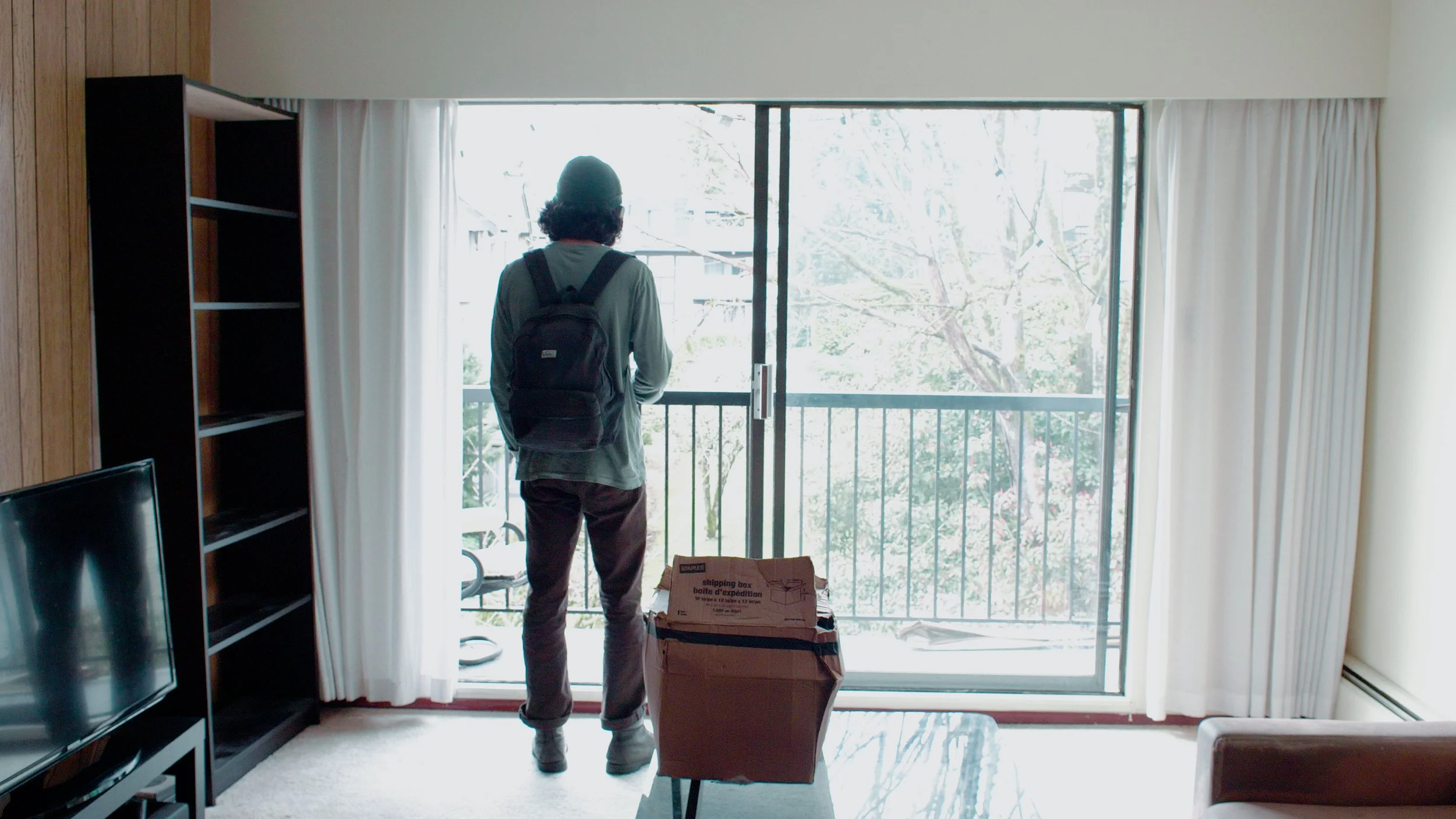
Moving Out
-
![]()
Hallway
-
![Noa and Dante]()
Noa and Dante